MYOSTATIN – Role in muscle building and athletic performance

We are all familiar with the concept of athletes and their rigorous training to become stronger and better performers. However, few of us are aware of a protein called Myostatin and the role it plays in making the most out of a sportsman’s performance.
Myostatin is a protein that is responsible for regulating the growth of muscle in the human body. It acts as a kind of regulator, preventing muscles from getting too big and strong. For athletes, this means that they may not be able to maximize their strength potential.
However, if your body has too little of the myostatin protein, you could potentially become a super-athlete with great strength and muscular development. This is because of the decreased expression of myostatin, which results in increased muscle growth stimulation.
Recent research into the effects of myostatin on athletes has been quite fascinating. It appears that myostatin levels of elite athletes, like Olympians, are much lower than those of average individuals, allowing for a greater amount of muscle growth and strength. This, in turn, has helped them to reach their peak performance.
While the effects of myostatin protein on sportsmen are still being studied, it’s clear that myostatin has a profound impact on the performance of athletes. Its role in regulating muscle growth could lead to better and faster results for any athlete. With an increased understanding of this protein, we could potentially help athletes reach their potential that much quicker. 
CAN MYOSTATIN LEVELS BE LOWERED OR INHIBITED?
As an athlete or body builder, you’ve probably heard of myostatin inhibitors and how they can help you take your workouts to the next level. By inhibiting myostatin production, muscle growth can be increased, allowing athletes and body builders to get bigger, faster.
Myostatin inhibitors can be found naturally in a few select foods, but for the most part, they are sourced from pharmaceuticals in the form of supplements. Some of the most popular myostatin inhibitor Foods/Supplements are:
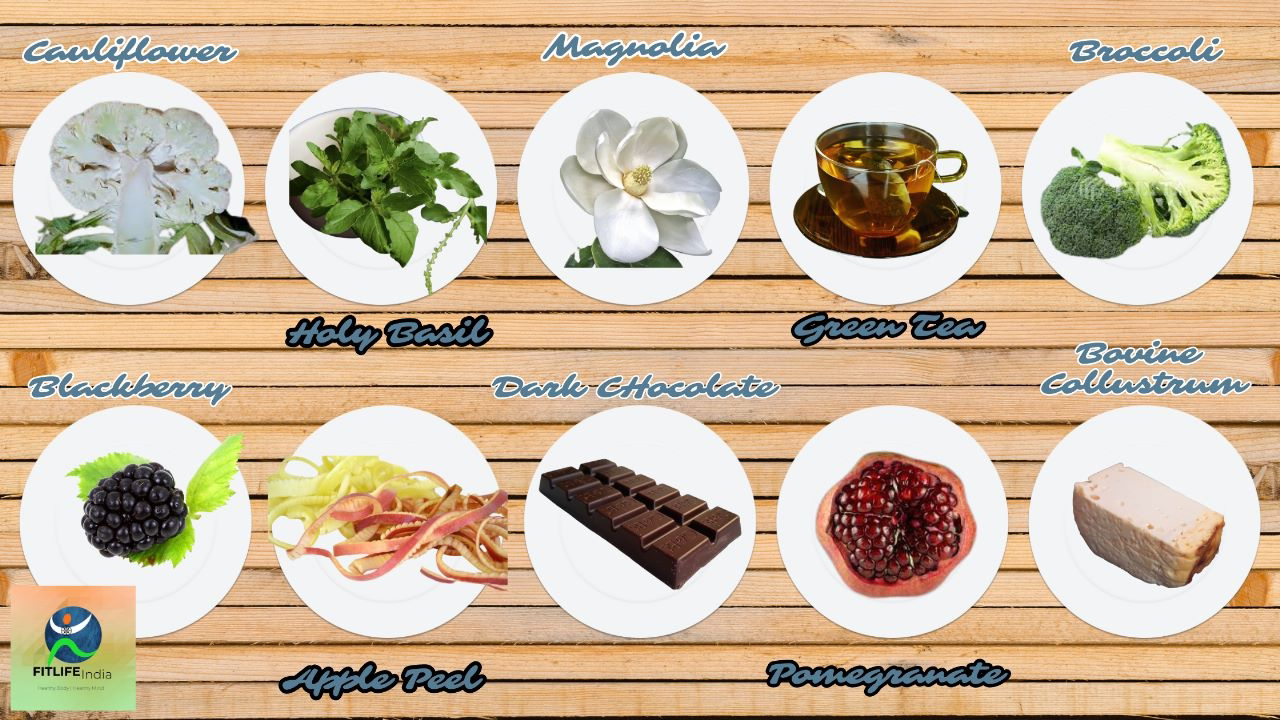
Bovine Colostrum, derived from the milk of cows. 
Green Tea
Holy Basil
Dark Chocolate/Cocoa
Cauliflower
Broccoli
Magnolia
Apple Peel
Blackberry
Pomegranate
Follistatin – from fertile egg yolks 
Note: Follistation hasn’t yet been approved by the FDA for medical use. 
For athletes and body builders, myostatin inhibitors can be extremely helpful. Not only do they help with muscle growth, but they can also enhance overall performance and increase muscle strength. However, this doesn’t mean myostatin inhibitors should be taken without proper caution. While the supplements are considered safe, there is the potential for side effects, such as increased blood pressure, bloating, and headaches. As with any supplement, it’s important to consult a doctor before taking anything and ensure that the supplements you’re taking won’t have an adverse effect on your health.
Myostatin inhibitors have the ability to make a massive difference to your workouts. If you’re looking to take your gym sessions to the next level, they can be instrumental in helping you reach your goals. Just remember to use the supplements with caution and always keep the potential side effects in mind.
Regarding clinical inhibition of Myostatin, we shall soon write a separate article on ‘Gene Doping‘ which shall be an equally interesting read!
In conclusion, Myostatin protein can be a great help to any sportsman looking to reach their physical peak. It’s important to remember, however, that while scientific studies and advancements on Myostatin can be hugely beneficial, it cannot completely replace dedication and hard work in reaching a great performance.

Bioavailability of different Protein sources

Bioavailability is the portion of a drug or other substance that is absorbed and available at the target site of action. The concept of bioavailability is important when it comes to the absorption of different protein sources. 
The most common forms of dietary protein are animal protein and plant-based protein. Basing on their ultimate purpose, the proteins are classified into complete and incomplete proteins. Any protein that is made up of all the required amino acids that the body cannot synthesize itself is complete. Meat, poultry, fish and dairy products such as eggs and cheese are classified as complete proteins. Examples of plant-based complete proteins include soy, quinoa, and chia. Incomplete proteins, on the other hand, lack one or more essential amino acids and must be consumed through a combination of different proteins. 
Animal proteins provide the biggest amount of essential amino acids among all protein sources. Among them, dairy proteins are the best source of accessible amino acids because they are digested easily providing a high absorption rate.  
Plant-based proteins such as grains, seeds, nuts and legumes contain all amino acids, but their essential amino acids are distributed between different sources and due to their fiber content it takes longer for them to be absorbed by the body, thus providing a lower bioavailability compared to animal proteins.
When it comes to the bioavailability of different protein sources, it is important to recognize that some sources are better than others. For example, dairy proteins are very easy to digest and provide maximum benefit, while plant-based proteins require extra effort in order to be absorbed by the body. Knowing this is important for any dietary plan as it will help to maximize the potential use of any protein source.

BIOLOGICAL VALUE (BV)

It is extremely important to choose high-quality sources of protein when possible. Knowing the biological value of different protein sources can help you make educated decisions about what to include in your diet. 
The biological value (BV) is a measure of how efficiently your body can use the protein you consume. The higher the BV of a particular protein source, the more usable it is for the body. There are nine essential amino acids needed by the body that can not be produced itself and must come from dietary sources. The BV of a protein source is based on how many of these nine essential amino acids it contains and how well your body can utilize them.
Eggs are widely known as the highest quality source of protein available. They have a BV of 100, meaning all nine essential amino acids are present and your body can use them all efficiently. Milk, cheese, and yogurt have BVs of 80-90, and fish, beef, and chicken have BVs of 80-95. These animal sources of protein are all of high quality. 
Plant-based protein sources have lower BVs. Soy protein has a BV of 74, whereas other plant proteins such as legumes, nuts, and grains have BVs in the 40-60 range. Although these sources provide some essential amino acids, their BV is lower because some of the amino acids are not present or not as digestible. Vegetarians and vegans should consume a variety of plant proteins throughout the day in order to get all the essential amino acids they need.
Knowing the BV of the foods you eat can help you choose the best sources of protein for your diet. High-BV protein sources such as eggs, dairy, fish, beef, and chicken should be prioritized, while lower-BV sources such as soy, legumes, nuts, and grains should be consumed in combination to ensure optimal intake of all nine essential amino acids. Eating a combination of different protein sources will help ensure your body gets all the protein it needs to function properly.

Mental Health – the most ignored aspect of Fitness

Mental health has become an increasingly pressing focus for individuals and health organizations as understanding of the strong correlations between physical and mental wellbeing continues to grow. Unfortunately, it is still one of the most ignored aspects of fitness and health and is often overlooked in favor of physical health. 
When most individuals think of fitness, they instantly visualize gym goers, marathon runners, or professional athletes engaging in physical activity. What gets overlooked, however, is the essential role of mental health in achieving a balanced state of physical and mental wellbeing. In fact, mental health is just as important for your overall health as regular physical activity. 
The most obvious way in which mental health plays a role in fitness is by helping improve motivation and reinforce healthy habits. Mental health issues, such as depression and anxiety, can have a direct impact on a person’s ability to exercise. When an individual is feeling low, it can be difficult for them to find the enthusiasm or energy needed to exercise. On the flip side, regular exercise has been found to have a positive impact on mood and help reinforce healthy habits.
Nutrition – effect on mental health
Mental health can also be closely linked to diet and nutrition. Eating healthy can be difficult for those with chronic low moods or those suffering from depression. This, in turn, can lead to an overall impact on physical fitness and the ability to exercise. As with regular physical activity, healthy nutrition has been found to have a positive impact on mental health, and focusing on the right diet can help individuals maintain healthy levels of fitness.
Finally, mental health can also play a role in how an individual experiences physical exercise and physical activity. Those with mental health issues, such as anxiety, may find it harder to stick to a routine due to the increased mental barriers this brings. It’s important to be mindful of these issues when it comes to physical fitness, and try to create an exercise regime that does not trigger anxious or depressive feelings.
Ultimately, mental health is an essential aspect of overall fitness and should never be overlooked. Taking time to address any mental health issues can only have a positive impact on physical health, and should be a key part of any fitness regime. By taking the time to focus on mental health and ensure that it is not being ignored, individuals can ensure that they are able to achieve the best possible levels of physical and mental wellbeing.

Hypertrophy and Muscle Building

Many people have heard of hypertrophy and how it relates to muscle building, but few understand how it works. Hypertrophy is the process of building muscle size and strength through repetition and weight lifting. It is a natural response of your body to increased mechanical tension, metabolic stress, and muscular damage caused by working out. When you lift weights and your muscles are challenged, they grow bigger and stronger in response. 
Hypertrophy occurs when muscles are exposed to incremental overloads, meaning greater thresholds are challenged each time with heavier weights. When a muscle works harder than what it’s accustomed to, micro tears occur and the muscle develops. Increases in muscle size and strength are the result of the muscle fibers being stretched and broken down by intense exercise and then rebuilt through muscle memory. 
Scientific angle and Studies into Hypertrophy
Scientific studies into muscle hypertrophy and the development of size and strength, often referred to as ‘hypertrophy training’, have been ongoing for decades. The goal of such scientific research is to gain a clearer understanding of how muscle tissue responds and adapts to resistance exercise, with the ultimate aim of developing improved training and nutrition strategies for optimal muscle development.
Resistance exercise has been suggested to be one of the most important factors in determining muscle size, with studies finding that the recruitment of a large number of muscle fibers, along with increases in muscle fiber size, can occur with an increase in a person’s training load. Additionally, frequent repetition of quality gym-based exercise has also been found to be important for muscle development, with some studies suggesting that resistance training three days per week is optimal for hypertrophy.
Nutrition & Biochemical angle
A number of nutrients have been linked to the development of muscle hypertrophy. For example, protein has been found to be important in stimulating muscle growth, with studies indicating that protein intake should be at least 0.8g/per kg of body weight to enhance muscle development. Omega-3 fatty acids and carbohydrates have also been associated with enhanced muscle development. Omega-3 fatty acids are thought to improve muscle fiber size and strength, while carbohydrates are believed to provide the energy needed to perform intense bouts of resistance exercise.
Finally, hormones such as testosterone and growth hormone appear to play an important role in mediating the anabolic response to exercise and nutrition. These hormones will be produced naturally in the body in response to exercise, but can also be taken as supplements by some athletes to increase their muscle mass.
Training to maximize Hypertrophy
When beginning a muscle building program, it’s important to focus on form, tempo, and the nuances of performing basic routine muscle-building exercises. Once you’ve mastered the basics, it’s time to up the intensity and stimulus. Use a combination of heavier weights, shorter rest periods between sets, and progressively increase the reps. 
To further stimulate muscle growth, focus on training your muscles to failure. This practice can help you gain more muscle mass by overloading your muscles and making them work harder to tolerate the increased stress. Additionally, increase the intensity of your workouts by performing each set of exercises with maximum effort, using a wider range of motion and focusing on the eccentric contraction phase of each exercise to stimulate the growth response.
For most people, adding a few sets of bodyweight exercises and some additional stretching at the end of your workout can enhance effects of hypertrophy. After all, you don’t only want bigger muscles, but you also want to have a body that is well balanced and healthy. 
By understanding and applying the principles of hypertrophy-based muscle building, you can maximize your potential for increased muscle size and strength and achieve your goals for an improved level of fitness. Remember, the key is to exert the demands your muscles need to grow, but also to constantly change the stimulus and challenge your body, so it’s not allowed to adjust and become too comfortable.

All about Muscle Fibres types

Muscle fibre types are an important consideration for any athlete or bodybuilder who has experienced a plateau in their workouts. Different people have different fiber types in their bodies. Knowing your fiber types can help you to focus on the most effective exercises and appropriate training techniques to reach your goals.
The two main types of muscle fibers are fast-twitch (type II) and slow-twitch (type I) fibers. 
Fast-twitch fibers produce the highest amount of force quickly and are said to be more “explosive”. Therefore, this type of fiber responds well to strength training that is based on a short, intense burst of activity. These fibres contract quickly, generate high amounts of force, but fatigue quickly. They are typically found in the arms and shoulders, and on a cellular level, have a lower number of mitochondria and capillaries, as well as less enzymes and myoglobin. As a result, they are lighter in colour, thus they are also called “White Fibres”

Slow-twitch fibers generate a lower amount of force, but they also produce less fatigue during sustained activities. They also respond best to exercises that require endurance, as well as low-level, steady activities over extended periods of time. They contract slowly and generate force for a longer period of time. These are the most common type of muscle fibres and are found in larger muscle groups such as the thighs and buttocks. On a cellular level, slow twitch muscle fibres have more mitochondria and a higher number of capillaries and enzymes that help break down lactic acid. They are also darker in colour due to the higher myoglobin content found in them, thus they are also called “Red Fibres”.
Normal distribution of slow twitch and fast twitch fibres in a normal human being
In a normal human being, it is estimated that slow twitch fibers comprise about 50-60% of all skeletal muscle fibers, while fast twitch fibers are responsible for the remaining 40-50%.
If you want to truly maximize your workouts, it’s important to understand which type of muscle fibers you possess. Knowing your dominant muscle fibre type can help you to adjust your training program accordingly. For instance, if you’re a fast-twitch dominated individual, you’ll want to focus on activities that involve explosive bursts of energy. Conversely, if you’re a slow-twitch individual, you’ll benefit more from endurance activities such as walking, jogging, cycling, etc.
Sports in which Slow twitch muscle fibres play am important role
1. Distance running
2. Triathlon
3. Marathon
4. Swimming
5. Cycling
6. Cross-country skiing 
7. Rowing 
8. Kayaking 
9. Hiking 
10. Canoeing
Sports in which Fast twitch muscle fibres play am important role
1. Sprinting
2. Swimming
3. Long Jump
4. Weight Lifting
5. High Jump
6. Squat Jumps
7. Cycling
8. Martial Arts
9. Circuit Training
10. Hockey
11. Bodybuilding
12. Powerlifting
13. Boxing
In addition to muscle fiber types, you should also consider lifestyle and nutrition factors when planning your training program. These factors are going to have a significant influence on how efficiently your body responds to any type of physical activity. A healthy, balanced diet and adequate rest are key for any athlete to reach their full potential.
Specific type of nutrition to develop slow twitch and fast twitch muscle fibres?
Yes, there is a specific type of nutrition for developing both slow twitch and fast twitch muscle fibers. For slow-twitch fibers, diets focused on carbohydrates (high in glucose, low in fat) are best. For fast-twitch fibers, diets that are higher in protein and fat can help to promote better development. Additionally, eating adequate amounts of whole fruits, vegetables, and lean proteins like fish, poultry, and lentils can help optimize performance by promoting better overall nutrition.
Recovery rate of slow twitch vs fast twitch muscle fibres
Fast-twitch muscle fibers are capable of producing much more force and contracting more quickly than slow-twitch muscle fibers. The tradeoff is that fast-twitch fibers have much shorter contractile lengths and much faster rates of fatigue. Generally, fast-twitch muscle fibers have a higher recovery rate compared to slow-twitch muscle fibers.
In summary, muscle fiber types are a very important consideration for a successful workout routine. Knowing your fiber type can help you plan the best training program for optimal results. Nutritional and lifestyle factors are also essential for a highly successful program. And, above all, don’t forget to stay consistent and disciplined in your well-crafted workouts!

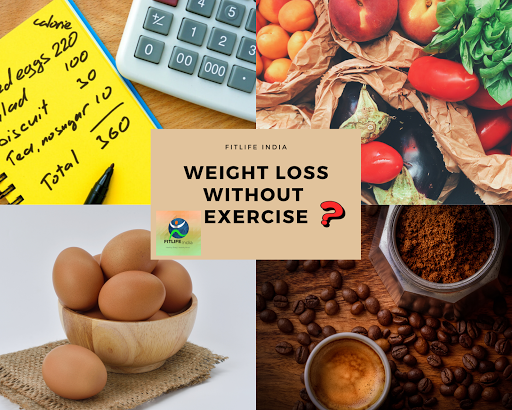
LOSE WEIGHT WITHOUT EXERCISE?


HOW DO WE
LOSE WEIGHT WITHOUT EXERCISE?

How to lose weight without exercise
Weight Loss Strategy


This
question was asked in QUORA where FitLife is a consultant on Healthy Living, Diet, Nutrition, Workout Styles, Exercises & overall wellbeing. 
Well, the answer is basically for 2 kinds of people:

  • People with a physical
    disability or health complication due to which they can’t exercise
  • People whose daily schedule
    is so fast-paced that they fail to allocate any time for workouts

Others…stop
being a lazy bum & please incorporate some exercise..!

So,
getting back to the topic of weight-loss, If someone is looking forward to
losing weight while being in the daily normal life schedule, he/she needs to do
the following:


TAKE STOCK OF THE CURRENT
SITUATION

  • Calculate the BMI to
    ascertain what category the individual falls in, viz.

      • Severely
        Obese
      • Obese
      • Over
        Weight
      • Normal
      • Underweight

Formula:

Body Mass
Index (BMI) = Weight in kg/ (Height in metres)^2

 CATEGORY  BMI (kg/sqm 
 Severe Thinness  < 16
 Moderate Thinness  16 – 17
 Mild Thinness   17 – 18.5
 Normal   18.5 – 24.9
 Overweight   25 – 30
 Obese Class I   30 – 35
 Obese Class II   35 – 40
 Obese Class III  > 40

BMI
applies to adults in the age range of 18 – 65. This shall 1st let you know if
you really need to lose weight, and if yes, how much so that you can be in the
optimum range.

  • Set a realistic and
    achievable target as per your commitment level

Set a
desirable plan and target a specific amount of reduction per week. it can be
from a moderate target of half pound per week to an intense target of up to 2
pounds per week.


CALCULATE THE CALORIE REQUIREMENT

Use any freely available online available tool to calculate the calorific requirement of your body as
per your age, height, and weight. For example: for an individual with the
following data:

Age – 35;
Sex – Male; Height – 172cm ; Weight – 90kg

the
calorie required is 2169 calories per day


PLAN A
DIET WITH LESSER CALORIES

Weight
loss is a calculated game which needs to be very diligently executed. We need
to keep the body in ‘Calorie Deficit’, i.e we ingest fewer calories than
required by our body, and our body starts losing weight by utilizing its
internal stored resources to meet up with its functional energy requirements.

Refer to
the below chart to achieve the targeted weight loss. The chart specifies the number of target calories as a percentage of the calorie count required to maintain the same body-weight.


Target weight loss calorie planner

The
nutrition plan to meet the targeted calorie count should be well planned and
the calories consumed must be ‘healthy calories’. You can refer to
readily available online calorie counters to plan the meals for your entire day
and stick to it. Sticking to the diet plan means you cannot have ANYTHING else apart from what is there in the meal-plan! This requires commitment, sincerely, and passion!

There are some ways to speed up the metabolism so that you burn more calories, but that is a
separate and an elaborate topic in itself. We shall aim to cover it in another
post.

Do let us
know in comments if you liked the content and do visit our FB page, Twitter & Instagram handles for
more such useful information.


FitLife India

Fitlife India (@fitlife_tweets) • Instagram photos and videos

FitLife India (@Fit_Life_India) | Twitter


Team
FitLife India


LOCKDOWN HEALING – Healing your Body

LOCKDOWN HEALING – Healing your Body

Healing during Lockdown - Best way to heal your body
Best way to Heal your Body during Lockdown

This period of forced quarantine (in many areas) is actually a blessing in disguise for many of us who don’t give our bodies enough attention and time to recover from the regular damage caused by our unhealthy lifestyles! We can use this period cleverly to reverse many of the damages which we have incurred on our bodies for a long time..!

FOCUS ON EATING MORE FRUITS, VEGETABLES & WHOLE GRAINS

Now that most fast-food joints are closed, we are left with fewer bad options of eating junk! This shall do wonders for your overall well being and fitness levels – your cholesterol levels shall come under control, less sodium & sugar shall make the bloating go away & you shall feel more energetic and light gradually!


FOCUS ON DRINKING MORE WATER

70% of our body is water, but surprisingly, we are often so busy with our hectic lives that we forget to hydrate adequately. This gives rise to numerous complications and diseases. Dring more water and see the difference in your lives!

ADEQUATE SLEEP

Our busy lifestyles and crazy eating & drinking habits have kept many of us sleep-deprived! It is surprising to know that people nowadays get not more than 28–30 hours of sleep a week, which is less than 5 hours of sleep per day..! Sleeping more shall do wonders for your body’s recovery from the otherwise-irreversible damage which we have caused to our bodies! Try sleeping 8 hours a day and you shall wake up to a new self!

QUIT ALCOHOL / SMOKING WITH FAMILY HELP

Spending quality time with our loved ones shall help us in getting rid of many of our vices. Try and do that…and you shall thank this lockdown! 

MENTAL WELLBEING

  1. Focus on doing some meditation every day – start with 5 minutes a day and try to take it up to 15–20 minutes a day
  2. Yoga – you can start by doing 5 minutes of breathing Yoga like ‘Pranayam’ and ‘Anulom-Vilom’ which shall do wonders to your physical & mental health..!
  3. Read some good stuff – Motivation and knowledge can be honed during this lockdown
  4. Music – Some nice soothing music might just be the answer to the widely prevailing mental unrest
  5. Get in touch – Old friends who haven’t heard from us for years or decades – catching up with them over a phone call can be the magic potion for our moods

EXERCISE

We might have often heard ourselves say that we don’t have any time for exercise as we are so busy! This lockdown might just be the perfect answer to that! Get yourselves in the groove and do whatever workout you feel you enjoy doing indoors. Refer to the numerous workout videos that are freely available online and cultivate this healthy habit. You shall be surprised at the results by the end of the lockdown period…old clothes shall start to fit again – a dream for many of us!


For more of such articles, do visit our blog & FB page


Jogging vs Walking : Best Fat Burning activity

JOGGING vs WALKING: Best Fat-Burning activity

An age-old debate and confusion is Which one burns more Fat – Jogging or Walking?
Everyone talks about the importance of Cardio training for the reduction of body-fat and for improved cardiovascular health. Let us look at various factors which shall help us decide and choose between Jogging & Walking.

Jog walk Run
Jogging vs Walking

AEROBIC vs ANAEROBIC TRAINING

Walk Run Weight training Fitlife
Aerobic vs Anaerobic training

        Aerobic Activity 

        It is the activity where the body uses Oxygen as the major source of energy production. This oxygen is used by the body in a biochemical process called Krebs Cycle to break down fat which releases energy. Brisk walk & jogging at low speed come under this category. 

        Anaerobic Activity

        It is the process of using other avenues for energy production other than Oxygen. The energy production is done by the processing of Muscle Glycogen which is the stored form of carbohydrates. Running or Jogging at higher speed comes under this category. 

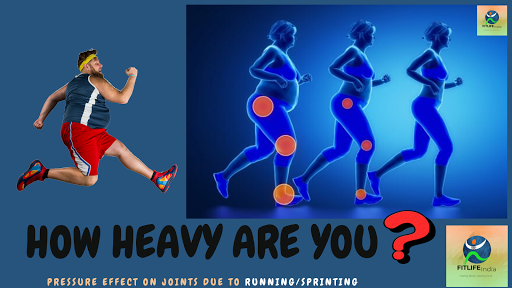
HOW HEAVY ARE YOU

Effect of running on joints
Pressure on Joints due to run & sprint 
If you are a heavy individual, strenuous activities like running or jogging shall put undue pressure on your ankles, knees & lower back, whereas a brisk-walk can be relatively easier on these joints.

YOUR EXISTING HEART HEALTH & ENDURANCE LEVEL

consult a doctor before you start running - Fitlife
Jog vs Walk – Heart Health
Strenuous activities like running or jogging can be more demanding on the cardiovascular system, so if you have any pre-existing heart conditions or if you suffer from Hypertension, a brisk walk shall be the best and safest activity to train your cardiovascular system and burn fat.
Running, being stressful on the lungs due to its intense nature shall wear you down sooner. It means that the body might have more workable energy substrates to process but we stop as our lungs are exhausted and thus we give up sooner. Things are different with a trained athlete whose endurance levels have elevated due to years of training. Thus, if you are new to the fitness circuit, stick to brisk walking which you shall be able to do for a longer duration.

ARE YOU HAVING LOWER BACK PAIN / INJURIES / OSTEOPOROSIS

Running precautions, When not to Run
Jogging & Pre Existing back pain, Osteoporosis or Injuries
Running and jogging shall involve undue jerks, plus one’s sense of judging minuscule obstacles (like gravel or small stones) may potentially be compromised while running due to the shorter attention span, So if you have lower-back pain, stick to brisk-walk which shall put lesser stress on your lower back.

MAXIMUM TRAINING DURATION

The aerobic activity being less intense, can be done for a longer duration. Anaerobic activity can be performed for a relatively shorter amount of time. 

HOW MUCH TRAINING TIME YOU GOT?

How muchtime you have got - FitLife India
Training time availability
Fat loss is all about burning calories and creating that calorie deficit. If you have lesser time in hand, you can go for a Jog. Check out the below table:

    Walking

        60 min @ 4mph   – 243 Calories
        60 min @ 4.6mph -270 Calories 

    Jogging

        30 min @ 6mph  – 270 Calories
        30 min @ 6.7mph – 300 Calories

CONCLUSION

The choice of activity is to be based on the above-mentioned factors. Though a brisk walk is safer & seems to have the upper hand, it doesn’t mean that running or jogging is useless! Running and Jogging too cause fat-loss and add to the muscle conditioning as well. If you are new to running, you can alternate between walking & running intermittently and eventually build stamina, power & endurance for longer Runs! Always consult your doctor before starting with any fitness regimen.

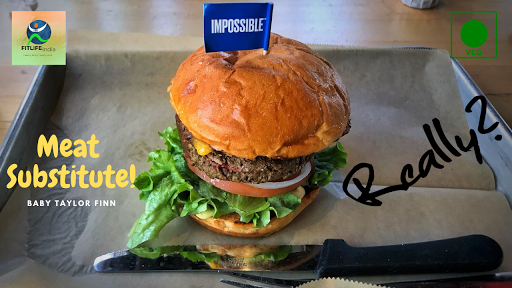
Impossible Foods – A substitute for meat?

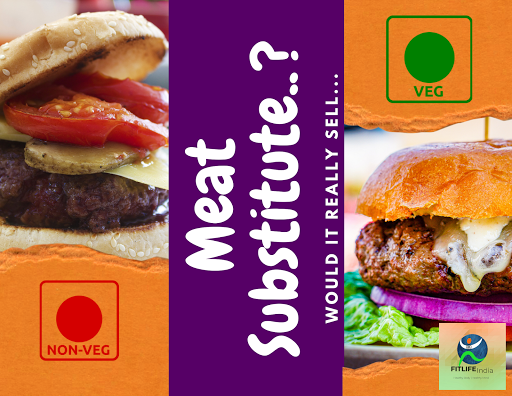
SUBSTITUTE FOR MEAT?

A substitute for meat?

Can there be really a vegetarian substitute for meat? If you ask this question to a non-vegetarian person, he or she might disapprove, either stating the taste or the nutrition value – especially the protein content. Well, it seems that a company based out of Redwood City, California (United States) has found the answer to this question! Impossible Foods is a California based company that develops substitutes for meat which are plant-based. 

THE COMPANY

Impossible Foods aims at providing people the taste and nutritional benefits of meat without any negative health ecological side-effects that are supposedly associated with the livestock products. It was founded in the year 2011 by Stanford Biochemistry professor Patrick O. Brown. The signature product offered in the US markets is the Impossible Burger which was launched in the year 2016 after much research and development. A restaurant chain named Little Caesars has in fact, in 2019, started using Impossible Food’s plant-based sausage product as Pizza Topping!
Professor Brown had identified the link between some of the environmental hazards and intensive animal farming, so he felt the need to develop a competing product in the market. He formed the company in 2011 & in July 2016 the company announced its first meat analog product, The Impossible Burger, which used 95%lesser land and 74% lesser water, and emitted 87% lesser greenhouse gases than that emitted during manufacturing ground beef burger patty from Cows. It had more Protein, lesser fat, no Cholesterol, and lesser calories than a hamburger beef patty. The sodium and saturated fat content were more than a beef patty. The company is currently researching on ‘Whole cuts of Beef’ and Steak!

IMPOSSIBLE BURGER 2.0

In January 2019, the company launched the new avatar of the burger in Impossible Burger 2.0 that had Soy protein instead of wheat protein, thus is Gluten-Free, and tastier, juicier and more nutritious than the previous version and has 30% lesser sodium and 40% lesser saturated fat.
Impossible Burger

CERTIFICATIONS AND APPROVALS

  • Kosher Certification – May 2018

  • FDA Certification – July 2018

  • Halal Certification – Dec 2018

  • Grocery Store sale – September 2019

RETAIL OUTLETS AND HOTELS

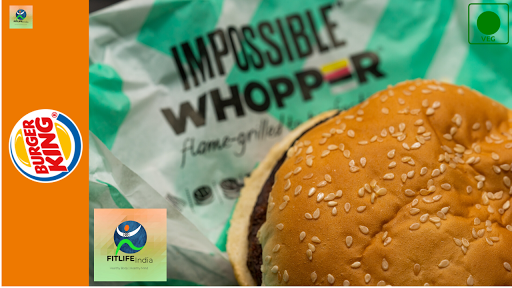
Restaurants in New York and California started selling the Impossible Burger in 2016. By 2017, a Michelin Star restaurant PUBLIC started serving the burger. By March 2017, Impossible Foods decided to go for bulk production and planned a facility with a production capacity of 1 million pounds burger plant-meat per month. They also started with franchising at the same time and soon many brands in California, NewYork and Texas including the likes of White Castle started serving the burger. By July 2018, it was available at 3000 outlets in the US & Hong Kong. By 2018 end, 5000 restaurants across the 50 US states had it in their Menu. In 2019, Burger King introduced the ‘Impossible Whopper’ 


‘Plant-based “meat” is poised to become a $140 billion industrywith Impossible Foods and Beyond Meat leading the way.’


Source & Read more at:


NATURE's ELIXIR: Green Tea – Best way to Make & Consume | History, Health Benefits & SideEffects

ORIGIN – by mistake…

Green Tea’s origin dates back to 2737 B.C. in China. Emperor Shenong mistakenly drank some boiled water which had a dead tea leaf in it and he found the taste quite agreeable & refreshing, and thus Green Tea was discovered..!

Initially, green tea was extremely expensive and was only approachable to the rich classes in China. It was only in the 14th century that it became accessible to the masses for enjoyment & health purpose.

Chinese Green Tea
Green Tea Origin

European explorers carried along Green Tea to the western countries in the 19th century and it very soon became a favourite drink besides black tea in Great Britain. Afterwards, the foreign settlers carried along with them stocks of Green Tea to America.

FUN FACT: As the shipped package of GreenTea resembled bullets, it was also called ‘BULLET TEA’


Best drink on planet
Green Tea


POLITICAL UNREST DUE TO TEA


This became so popular that the Parliament brought into effect a ‘Tea Act’ in 1773. This upset the colonists and resultantly the “Boston Tea Party” took place at Griffen’s Wharf in Boston, Massachusetts, which was a Political & Mercantile protest against ‘Taxation without Representation’ imposed by Great Britain! American demonstrators boarded ships and threw chests containing 45 tonnes of Tea into the Boston harbor. This was a shipment sent by the British East India Company.

Political unrest due to Green Tea
The Boston Tea Party

There was a harsh response from the British government and resistance grew from the Americal colonists. The escalations gave way to the infamous ‘Boston Massacre‘  and eventually gave way to the “American Revolution“.

Storming by American soldiers
American Revolution


MAJOR BIOACTIVE INGREDIENT 


Green tea is full of Polyphenols, mainly Epigallocatechin Gallate (EGCG) which is a very potent antioxidant that helps in preventing cell damage & offers other various health benefits.


BENEFITS OF GREEN TEA


Many call this as the Healthiest Beverage of the planet due to its various health benefits. Green tea is full of antioxidants & other nutrients which have a positive effect on the human body.

  1. Fights free radicals, thus protect cells & molecules from damage
  2. Antiageing properties
  3. Anti Inflammatory
  4. Anti Carcinogenic 
  5. Improves brain function – makes you smarter
  6. Lowers risk of Alzheimer’s & Parkinson’s Disease 
  7. Improves physical performance
  8. Augments Metabolic Rate & assists in Fat Burning
  9. Kills Bacteria & inhibits Viruses
  10. Lowers risk of Type 2 Diabetes 
  11. Lowers total & LDL Cholesterol, thus Lowers risk of Cardiovascular Disease
  12. Helps in reducing Bad Breath


Do’s of Green Tea

  • Have it with meals
  • Add tea leaves in boiled water and rest it for 3-4 minutes covered


Dont’s of Green Tea


  • Do not add Milk
  • Do not boil continuously as in case of milk tea
  • Do not exceed 2-3 cups a day, as excess green tea may be harmful
  • Do not consume on an empty stomach
  • Do not consume late night, as it may interfere with sleep
  • Do not combine with other stimulants as that may increase heart rate & Blood Pressure
  • Prefer buying better / higher class varieties as some lower varieties are higher in fluoride
  • Pregnant women must consult Doctor before deciding upon Green Tea regimen
  • Those who are on blood thinners should be careful about Green Tea consumption due to its Vitamin K content

Reach us on our FaceBook page, Twitter, Instagram & Website:

https://facebook.com/FitLifeIndiaOfficial
https://twitter.com/FitIndia_Tweets
https://www.instagram.com/fitlife_tweets/
http://www.fitlifeindia.com

Design a site like this with WordPress.com
Get started